ronacarmeronacarme wrote:
Based on 1988-2000 with a 1988 26D, and 2001 until present with a 2001 26X, I agree with the 26S, 26D vs. 26X, 26M comments above. However, my 26X as always runs a 9.9 4-stroke (Evinrude first, and for the last 2 seasons a Honda), and we knowingly gave up faster sailing for a better cabin layout and headroom. A pleasant surprise with the 26X was stiff steering allows, with Center Board and sail-plan balanced, self steering upwind or even beam reaching, sometimes for a half hour at a time. On the other hand, at very low wind/boat speeds, the narrow foils of the 26X stall easily and may leave us drifting slowly sideways or backwards rather than sailing forward. Also, our Outboard on the 26X is an extra long shaft and keeps pushing the boat in hi waves, even with crew on the bow for a headsail change...unlike the old 8 hp standard long shaft on the 26X.
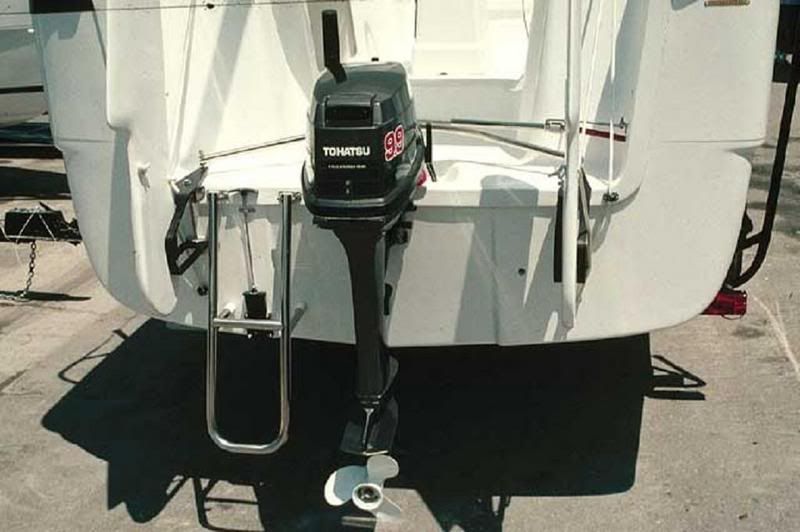
That Xtra-Long shaft 9.9 is featured on the photo. You’ve made a valid point; the deeper the propeller in rough conditions will help prevent the prop from ventilating over swells. Many times owners raise their outboard, leveling the cavitation plate with the hull, creating a greater potential for the propeller to surface, and lose power.
Suzuki’s New Hi-Thrust Four Blade w/Electric “Power-Tilt” 9.9 hp
Hi-Resolution Photo of Suzuki “Power-Tilt” 9.9 hp Open and Click Image

Do Sailboat Outboards Need to be So Heavy?
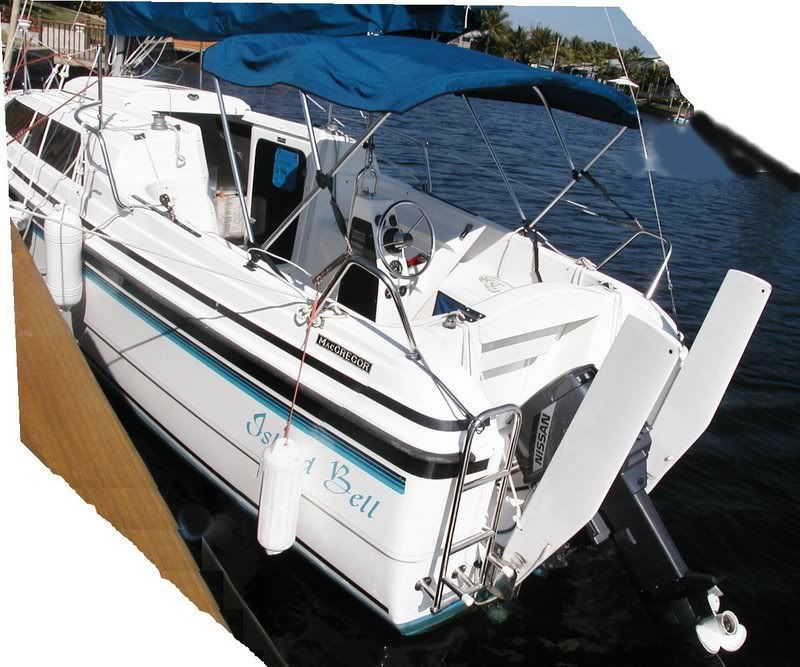
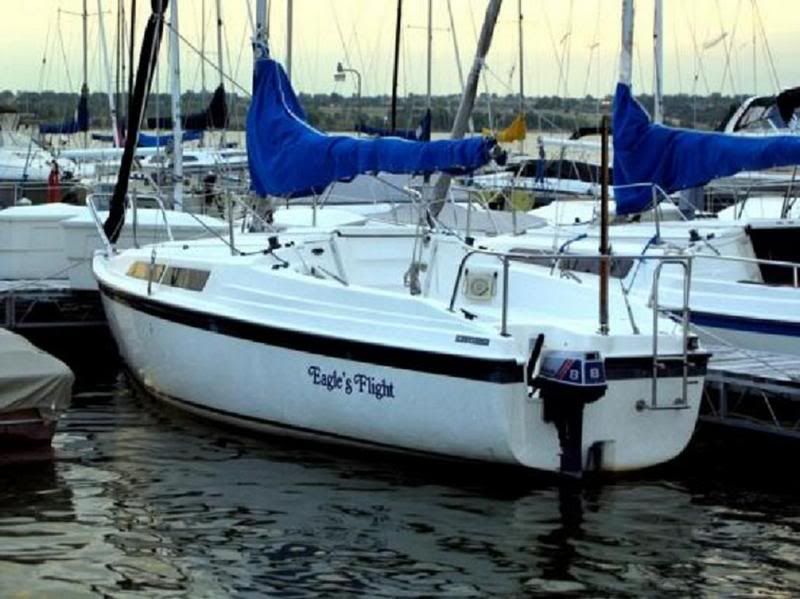
X’s you can appreciate, showing their light Aft
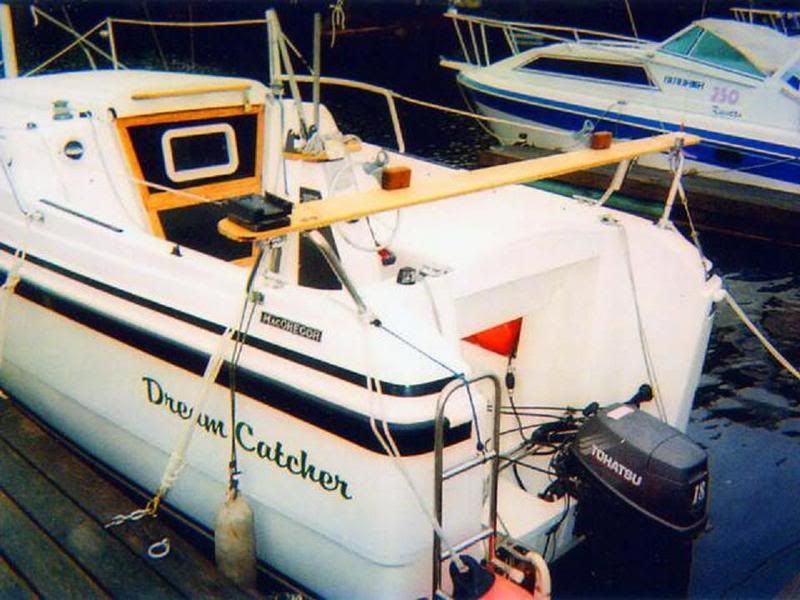 Note propeller depth below transom…..