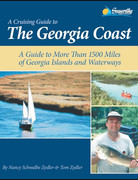
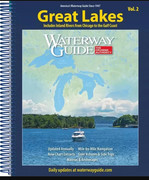
Most areas have cruising guides. These are traditionally oversized books, often spiral bound, often updated annually, often with online supplements or with copies available entirely online, that provide detailed information about specific cruising areas, such as the the phone number and address of virtually all the marinas and fuel docks, including graphical layouts of the marina slips, photographs of the harbor, reviews from prior users, the VHF channel they monitor, sometimes even cost per foot per night at the time a publication, etc.
The books will often tell your other very useful things such as special considerations about currents, tides, narrows, passages, ship channels and shipping lanes, how high the individual bridges are from the water at high tide, boat accessible restaurants with reviews, sightseeing information, advertisements for marine repair and chandlery, grocery stores accessible from the water, places where you can obtain potable water at low or no cost, tribal and Indian reservation information, local fishing laws and seasons, extensive information about the history and geography of the area, etc.
We have a few of these in the Pacific Northwest, including one called Waggoners covering Puget Sound to Alaska. This was invaluable to me in the first year or two of cruising. I have anchored many hundreds of nights in the Pacific Northwest, sometimes staying out for weeks at a time, moving every three or four days, often in remote places where there is no cell phone or internet coverage (except, now, Starlink). Though the guides are not guaranteed to be 100% accurate and current, especially if the book is more than a year old, the cruising guides are immensely helpful and often updated annually.
(Pictures below are just examples, not specific endorsements of the books.)
Specific suggestions for happy successful cruising:
1. Take a class, maybe audit the class at your local technical college, in outboard motor repair, because all things being equal, unless you accidentally drop your mast into the cockpit, your outboard motor is going to be the thing that fails first and with the most catastrophic or annoying consequences for your cruising plans, unless you are willing to just go purchase another one off the shelf wherever you may be. Learn to maintain and repair your outboard.
2. Google Earth, the Tides App, the absurdly expensive but still best-in-class Navionics, learn to use your VHF and what the various channels are for, If you're going far afield put a VHF antenna at the top of your mast, get the paid version of Windy (red) tuned to HHHR and learn what the various weather models mean and which are best in which geographic areas.
3. Get comfortable with your dinghy. Get comfortable moving back and forth between your dinghy and your sailboat.
4. What are you going to do when your tiller fails? Sign up for boat towing in emergencies, BoatUS, etc.
5. Check the u-bolts on your trailer for rust.