


anybody have any experiance with a seaflex furler
defender has them for $365 , with ball bearings. I did a search, only one
post and it was negative (AVATAR). But he was still working on it, I think.
Tom 26x
Seaflex furler , any good?
-
RandyMoon

- Captain
- Posts: 779
- Joined: Mon Sep 13, 2004 7:05 pm
- Sailboat: MacGregor 26M
- Location: Rockwall, TX Lake Ray Hubbard 2005M #0690 L405 Tohatsu TLDI 90 (Rhapsody in Blue)
Tom, the CDI brand is one of the most widely used furlers. Sailrite sells the FF2 size for $387. The FF2 is what Macs use. I would strongly recommend that brand.
http://www.sailrite.com/
Click on "Online Shopping" then find "Furling Units & Hardware" on the left and it will take you to "Flexible Furler FF2" halfway down the page.
http://www.sailrite.com/
Click on "Online Shopping" then find "Furling Units & Hardware" on the left and it will take you to "Flexible Furler FF2" halfway down the page.
-
Frank C
Randy, WADR that Seaflex furler (by Hood) looks much better than the CDI. One major difference is that it uses the normal halyard with a ball-bearing swivel. That's much better for gaining max luff tension - not available with CDI.
Until now I've been targeting the Schafer Snapfurl as a replacement for my CDI. This one looks just as good as Schaefer but it's half of Schaefer's price ... as noted by Tom, Seaflex is the same price as the CDI, with a 5-yr warranty by Hood.
Tom,
Great find! I'd only want to be sure that the foil is flexible enough for frequent dropping and trailering. You might want to call Hood and see how their cust svc group reacts to some tough questions about a trailer boat. Can it mount on a 1/8" forestay, and endure frequent bending during mast raising? How is the foil shipped, and what steps req'd for uncoiling it? Also ask if the drum has bearings ... if it does, then this furler is even cheaper than CDI's FF2.
Until now I've been targeting the Schafer Snapfurl as a replacement for my CDI. This one looks just as good as Schaefer but it's half of Schaefer's price ... as noted by Tom, Seaflex is the same price as the CDI, with a 5-yr warranty by Hood.
Tom,
Great find! I'd only want to be sure that the foil is flexible enough for frequent dropping and trailering. You might want to call Hood and see how their cust svc group reacts to some tough questions about a trailer boat. Can it mount on a 1/8" forestay, and endure frequent bending during mast raising? How is the foil shipped, and what steps req'd for uncoiling it? Also ask if the drum has bearings ... if it does, then this furler is even cheaper than CDI's FF2.
-
They Theirs

- Captain
- Posts: 790
- Joined: Tue Dec 27, 2005 1:42 pm
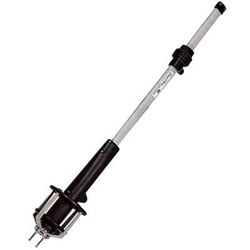
Incorporating all the design experience and quality of HOOD Yacht Systems, the SEA FLEX furler is a flexible, easy-to-fit plastic furler created with the needs and budget of smaller dayboats sailors in mind.
Hood Sea Flex Roller Furling
I wonder if that 1/8 wire and pin size and the larger size headstay with 5/16 clevis pin might be a problem?
Hood Sea Flex Roller Furling
I wonder if that 1/8 wire and pin size and the larger size headstay with 5/16 clevis pin might be a problem?
-
Frank C
This Defender ad says 3/16ths headstay with 5/16ths pin.
But later on, they mention that it is shipped with 3 optional pins, one of them 1/4".
But later on, they mention that it is shipped with 3 optional pins, one of them 1/4".
-
They Theirs
- Captain
- Posts: 790
- Joined: Tue Dec 27, 2005 1:42 pm
Hood Sea Flex Furler at DEFENDER
Hood Sea Flex Furler with a #5 Luff tape
Could not find the any Luff Tape #....some of the small boat furler units use a #5 luff tape, Standard Mac is #6 Luff Tape. This Might be a problem for ordering OEM Bargain Sails, or conversions costs for smaller luff tape #5
Price was certainly good, and comes with bearings! Single Luff channel limits the unit, but at least you can change sails reasonably well
Halyard swivel ball bearing races for proper tensioning of halyard
PS I'm still a Hank&Wire Sailor
Hood Sea Flex Furler with a #5 Luff tape
Could not find the any Luff Tape #....some of the small boat furler units use a #5 luff tape, Standard Mac is #6 Luff Tape. This Might be a problem for ordering OEM Bargain Sails, or conversions costs for smaller luff tape #5
Price was certainly good, and comes with bearings! Single Luff channel limits the unit, but at least you can change sails reasonably well
Halyard swivel ball bearing races for proper tensioning of halyard
PS I'm still a Hank&Wire Sailor
-
Frank C
Yep, the foil size would be a problem for me, and anyone else trying to upgrade from a CDI. Our sails already have a #6 luff tape. But for a new installation it's not a problem ... just order the sail with the #5 luff tape. Means having the sailmaker mod the sail with the smaller luff-size, probably from $120 to $150 for that modification.
The same problem with Schafer Snapfurl ... their model 500 (~ $600) requires a #5 luff tape. Snapfurl's next larger model 700 accepts my current Genoa ( #6 tape) but the cost jumps to $900! I already asked if my #6 luff might just squeeze into their model 500 luff foil, but the answer was predictably, "NO!"
The same problem with Schafer Snapfurl ... their model 500 (~ $600) requires a #5 luff tape. Snapfurl's next larger model 700 accepts my current Genoa ( #6 tape) but the cost jumps to $900! I already asked if my #6 luff might just squeeze into their model 500 luff foil, but the answer was predictably, "NO!"
-
They Theirs
- Captain
- Posts: 790
- Joined: Tue Dec 27, 2005 1:42 pm
If I were a roller furler/reefer patriot, it would not be too much a problem to sew on a #5 luff tape for the convenience of changing sails and regulating halyard tension. Bearings included are satisfactory, as CDI does not. I might just double-check that wire and pin compatibility, but seems youve already explored.
I just bought a new genny with a #6 luff tape, got a deal on ebay. So of course I needed a deal on a furler(never had a furler). The seaflex is out because it requires a #5 luff tape and the negative report I found from earlier post by Fibum, he said it was a nightmare to install. I am not willing to pay for a new tape. My original post had an error, the seaflex @ defender is $369. and only $18 shipping, a great deal for a new furler with the name Hood on it. Sailrite CDI= $387 and $59 shipping, Sailwarehouse CDI +$365 and 37.50 shipping , Sailboat owners.com Agreed to match sailwarehouse @ $365 and $35 shipping.
I ordered from sailboat owners .com as they provide several sailing forums and free resourses in the form of info on their web sites.
I am still wondering why anyone who has a cdi would like to try another product.
Tom 26x 50 4s bf
I ordered from sailboat owners .com as they provide several sailing forums and free resourses in the form of info on their web sites.
I am still wondering why anyone who has a cdi would like to try another product.
Tom 26x 50 4s bf
-
They Theirs
- Captain
- Posts: 790
- Joined: Tue Dec 27, 2005 1:42 pm
Tom Walsh
Roller Furler/Reefers decrease performance. They cause inescapable sag in the headstay from the word go. They increase weight aloft with furler, sail and sail cover, and cause the boat to heel more, reducing drive and the boats ability to point. Reefed headsails have deeper draft and poor shape induced by the reefed sail, even with a padded luff trying to improve a poor sail shape. They do not point into the wind near as well, and reefed performance is poor to say nothing about trying to reset a block position in attempting to power up or down the rolled up sail. The CDI Furling Unit has a static luff tension, and cannot be changed while sailing. Changing headsails is very difficult and requires a messenger line to be tied on when changing sails. The bearings are not included with the CDI FF2 unit, but are optional for a price.
Sailing without a furling/reefing unit benefits not having to mess with the cumbersome CDI FF2 unit when setting up their mast, and avoid the time consuming furling unit tie down ritual. You do not need a luff cover on your headsail, less weight aloft, boat heals less, more drive. You do not need a sail sock either. You can set your headsail luff tension with the halyard anytime, on or off the wind for improved performance. Did I mention the ease of stepping the mast and reduced setup time on the ramp? Jib and genoa shape will perform better without the furler unit, and the boat has better drive.
There is a lot of drift wood out there, dont get caught up in it!
A bearing included furling/reefing unit with a bearing swivel provides luff tension adjustment and the ability to change sails. Changing, or sewing a #5 luff tape is worth the investment for these attributes.
Roller Furler/Reefers decrease performance. They cause inescapable sag in the headstay from the word go. They increase weight aloft with furler, sail and sail cover, and cause the boat to heel more, reducing drive and the boats ability to point. Reefed headsails have deeper draft and poor shape induced by the reefed sail, even with a padded luff trying to improve a poor sail shape. They do not point into the wind near as well, and reefed performance is poor to say nothing about trying to reset a block position in attempting to power up or down the rolled up sail. The CDI Furling Unit has a static luff tension, and cannot be changed while sailing. Changing headsails is very difficult and requires a messenger line to be tied on when changing sails. The bearings are not included with the CDI FF2 unit, but are optional for a price.
Sailing without a furling/reefing unit benefits not having to mess with the cumbersome CDI FF2 unit when setting up their mast, and avoid the time consuming furling unit tie down ritual. You do not need a luff cover on your headsail, less weight aloft, boat heals less, more drive. You do not need a sail sock either. You can set your headsail luff tension with the halyard anytime, on or off the wind for improved performance. Did I mention the ease of stepping the mast and reduced setup time on the ramp? Jib and genoa shape will perform better without the furler unit, and the boat has better drive.
There is a lot of drift wood out there, dont get caught up in it!
A bearing included furling/reefing unit with a bearing swivel provides luff tension adjustment and the ability to change sails. Changing, or sewing a #5 luff tape is worth the investment for these attributes.
-
Frank C
Tom,Tom Walsh wrote: ... The seaflex is out because it requires a #5 luff tape and the negative report I found from earlier post by Fibum, he said it was a nightmare to install.
... I am still wondering why anyone who has a cdi would like to try another product.
Tom 26x 50 4s bf
Can you say a bit more about where you found the negative report on Seaflex (AVATAR or Fibium)??
TT's post hits every reason to abandon CDI, but also mixes-in arguments for hank-on sailing. I agree with TT, but the case of "CDI versus traditional furlers" includes these more limited issues:
- CDI's internal halyard - limited control over luff tension, no adjustment to conditions;
- CDI bearings optional - traditional furlers cost more, include bearings top and bottom;
- CDI lightly built - the more traditional furlers (Profurl, Schaefer & Harken) are much more heavily built than CDI ... shipping wts are triple, so they are providing more beef for the extra cost.
The bearings are almost a necessity in higher wind speeds, not available when I installed the CDI. No foul (by CDI) it's just a matter of spending a bit more for their complete solution.
The CDI is a bit lightly-built for constant use in heavier winds. The Seaflex shipping wt is closer to the CDI, so it may not have the traditional beef, but at least it adds halyard control, bearings, and a larger drum. The drum can handle 1/4" line for easier furling in 20 knots. These are reasons I've been pondering a change.
-
They Theirs
- Captain
- Posts: 790
- Joined: Tue Dec 27, 2005 1:42 pm
Spotting some shortfalls of the CDI FF2 furling/reefing unit. Some other manufacturers of the more robust Furler/Reefing headsail systems can be slightly heavier with their aluminum and composite construction, but include upper and lower bearings in the furling unit and the halyard swivel and may lack some of the flex ability of the economical, budget PVC Extrusion. These units also include a double luff channel foil extrusion over the smaller single groove foil, keeping size and weight down, but limiting its ability to change sails while sailing or using a double headsail arrangement.
I included some of the launch and sailing performance benefits of the simple, clean, wire headstay, and hanked on sail.
I included some of the launch and sailing performance benefits of the simple, clean, wire headstay, and hanked on sail.
I have read numerous post in previous threads, furler vs hank on .I think it is clear furler will cost a loss in performance, but as you all know a very large percentage of m and x sailors opt for the furler for a number of good reasons. I am not into racing or I would have kept my 26d, I did
get some pleasure from walking right buy most boats on the lake under 30'. And I am not going to fight gale force winds, anything much over 20 kt I am heading back to the marina. I wouldn't got a furler rig if I had to
spend the $1000+ that most spend. I got a new furler 150 genny for $180 with sheets and fuling line. $400 for cdi shipped. I'll try it if I don't like it, off it comes, might help sell the boat some day.
I think avatar and fibum is the same guy, when I checked fibum profile it had avatar , thought it was his handle or boat name I dun know. Here is the link to the post I refferanced http://macgregorsailors.com/phpBB/viewt ... ht=seaflex
down the page aways you'll see it highlighted (if I did this correctly)
Tom 26x
get some pleasure from walking right buy most boats on the lake under 30'. And I am not going to fight gale force winds, anything much over 20 kt I am heading back to the marina. I wouldn't got a furler rig if I had to
spend the $1000+ that most spend. I got a new furler 150 genny for $180 with sheets and fuling line. $400 for cdi shipped. I'll try it if I don't like it, off it comes, might help sell the boat some day.
I think avatar and fibum is the same guy, when I checked fibum profile it had avatar , thought it was his handle or boat name I dun know. Here is the link to the post I refferanced http://macgregorsailors.com/phpBB/viewt ... ht=seaflex
down the page aways you'll see it highlighted (if I did this correctly)
Tom 26x
-
They Theirs
- Captain
- Posts: 790
- Joined: Tue Dec 27, 2005 1:42 pm
Here is the link to the post I referenced, down the page you'll see it highlighted (if I did this correctly)
Tom 26x
Ive installed many reefing furling units and they all need special attention to operate at their best. A halyard fairlead restrainer is used at times to prevent halyard wrap, but Ive also used a short pennant from the halyard to the head of the sail, up to the halyard swivel close to the halyard block to prevent wrap, avoiding the use of the fairlead restrainer, but allow for tensioning the luff. As far a solving a problem requiring more headstay, or a longer luff foil for the halyard swivel, raise its mast attachment.
Tom 26x
Ive installed many reefing furling units and they all need special attention to operate at their best. A halyard fairlead restrainer is used at times to prevent halyard wrap, but Ive also used a short pennant from the halyard to the head of the sail, up to the halyard swivel close to the halyard block to prevent wrap, avoiding the use of the fairlead restrainer, but allow for tensioning the luff. As far a solving a problem requiring more headstay, or a longer luff foil for the halyard swivel, raise its mast attachment.
Submitted by: Moe Giguere wrote:
03/07/2006
There is no doubt that jib furling systems make sailing easier...at least in the setting dousing part; but, 20 years ago, I decided to spend $1k on an auto-pilot instead of a furling system because I wanted to be able to set the proper sail for the conditions. So, I have a "storm" jib, 130 and 155. Many of the days on the bay where the wind is blowing under 15 knots, I fly the 155. Above 25, I go to the storm (60%) jib. If you have roller furling, you probably have a 130 all the time. This past January, wind was 25-30, put in a double reef in the main and the blade and we were comfortably going 7 knots relatively upright and dry...no problem...and the boat (and we) were very happy. I just think the trade-off isn't worth it...I know I'm in the minority, but in light air, I'm going faster than almost anyone else, and in heavy air, I'm well balanced while anyone else out there is trying to do everything with just the main or partially rolled up jib and the boat's not liking it.
Anyway. Each to his own.
Moe
-
They Theirs
- Captain
- Posts: 790
- Joined: Tue Dec 27, 2005 1:42 pm
Headsail Reefing Basics

Fine Tuning a Roller Reefing System (Click Here)
And a good argument for "Halyard Tension"
Headsails
The sail shape controls for a headsail are the halyard tension, sheet lead position and sheet tension. On boats with backstay tensioners, rig tension is also an important control, but very few crusing/racing boats in this area have them so their use will not be discussed here.
Halyard Tension
Halyard tension is an important sail shape control for Dacron sails. As the halyard tension is increased the luff of the sail stretches and pulls the draft forward and reduces the overall depth of the sail. Conversely, easing the halyard moves the draft back and makes the sail fuller. Watch how the sail's shape changes as you adjust the tension. You want a nice smooth airfoil shape that is fuller in light air, flatter in heavy air. As a general rule "the harder it blows, the tighter she goes." But be careful if you have a halyard winch-it is possible to over tension the luff. A vertical wrinkle or hard spot just aft of the headstay means too much halyard tension.
Sheet Lead Position
The fore and aft positioning of the sheet lead on its track is critical for proper sail set. With the boat sailing close-hauled, set the lead on the end of an imaginary line that starts at the middle of the luff and runs down through the clew to the lead. This is a good starting point for the lead. Then look at the windward telltales-they should all be streaming back smoothly (either horizontally or a bit above horizontal, but all at the same angle). If the top windward telltale is fluttering, move the lead forward a little. If the bottom telltale is fluttering, move the lead back. Move the lead just a little each time observing the telltales carefully until the best location is found. If you can't quite find the perfect spot, opt for setting it back a little too far rather than forward too much. Different wind conditions and halyard tensions will dictate different lead positions-so use your telltales and adjust the lead position as necessary.
Sheet Tension
When sailing close-hauled, the last foot or so of sheet adjustment becomes a significant sail shape control. The tighter the tension the flatter the sail and again, "the harder it blows, the tighter she goes." Just don't sheet in so tightly that the sail hits the spreaders.
Many people have an instinct to ease the sheets when conditions get severe in an attempt to lessen heeling. This won't work with a headsail-easing the sheet will only make the sail fuller and the heeling worse.
Leechline
The leechline is not a shape control. The only purpose of the leechline is to keep the leech from fluttering or "motor boating." While your sail is new, you should not have to tension the leech line at all. If the leech is fluttering, change the lead position and/or the halyard tension. However, as a sail gets older the leech will stretch and get looser due to the big loads leeches take. Fluttering that can't be controlled with the shape controls is the first sign that the leech is stretching out. While this fluttering does not affect the speed of the boat, it can be very annoying to listen to and it will cause the leech to wear out very quickly. Tension the leechline just enough to stop the fluttering and no more. The harder it blows the more tension you will need, just don't forget to loosen it up when the wind drops.
Fine Tuning a Roller Reefing System (Click Here)
And a good argument for "Halyard Tension"
Headsails
The sail shape controls for a headsail are the halyard tension, sheet lead position and sheet tension. On boats with backstay tensioners, rig tension is also an important control, but very few crusing/racing boats in this area have them so their use will not be discussed here.
Halyard Tension
Halyard tension is an important sail shape control for Dacron sails. As the halyard tension is increased the luff of the sail stretches and pulls the draft forward and reduces the overall depth of the sail. Conversely, easing the halyard moves the draft back and makes the sail fuller. Watch how the sail's shape changes as you adjust the tension. You want a nice smooth airfoil shape that is fuller in light air, flatter in heavy air. As a general rule "the harder it blows, the tighter she goes." But be careful if you have a halyard winch-it is possible to over tension the luff. A vertical wrinkle or hard spot just aft of the headstay means too much halyard tension.
Sheet Lead Position
The fore and aft positioning of the sheet lead on its track is critical for proper sail set. With the boat sailing close-hauled, set the lead on the end of an imaginary line that starts at the middle of the luff and runs down through the clew to the lead. This is a good starting point for the lead. Then look at the windward telltales-they should all be streaming back smoothly (either horizontally or a bit above horizontal, but all at the same angle). If the top windward telltale is fluttering, move the lead forward a little. If the bottom telltale is fluttering, move the lead back. Move the lead just a little each time observing the telltales carefully until the best location is found. If you can't quite find the perfect spot, opt for setting it back a little too far rather than forward too much. Different wind conditions and halyard tensions will dictate different lead positions-so use your telltales and adjust the lead position as necessary.
Sheet Tension
When sailing close-hauled, the last foot or so of sheet adjustment becomes a significant sail shape control. The tighter the tension the flatter the sail and again, "the harder it blows, the tighter she goes." Just don't sheet in so tightly that the sail hits the spreaders.
Many people have an instinct to ease the sheets when conditions get severe in an attempt to lessen heeling. This won't work with a headsail-easing the sheet will only make the sail fuller and the heeling worse.
Leechline
The leechline is not a shape control. The only purpose of the leechline is to keep the leech from fluttering or "motor boating." While your sail is new, you should not have to tension the leech line at all. If the leech is fluttering, change the lead position and/or the halyard tension. However, as a sail gets older the leech will stretch and get looser due to the big loads leeches take. Fluttering that can't be controlled with the shape controls is the first sign that the leech is stretching out. While this fluttering does not affect the speed of the boat, it can be very annoying to listen to and it will cause the leech to wear out very quickly. Tension the leechline just enough to stop the fluttering and no more. The harder it blows the more tension you will need, just don't forget to loosen it up when the wind drops.